

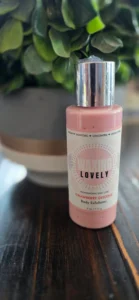
If you’ve ever searched for waxing advice online, you’ve probably seen this recommendation:
“Exfoliate before your appointment.”
While that’s generally good advice, it’s also incomplete.
Exfoliating at the wrong time—or using the wrong product—can actually make your skin more sensitive before waxing.
The goal isn’t simply to exfoliate.
The goal is to prepare your skin without irritating it.
Here’s what licensed estheticians recommend.
Quick Answer
Yes, but timing matters.
For most people, gentle exfoliation 24 to 48 hours before your waxing appointment is ideal.
Avoid exfoliating immediately before your appointment, and don’t aggressively scrub your skin the day of your wax.
Healthy skin responds better to waxing than irritated skin.
Why Exfoliation Helps
Your skin naturally sheds dead skin cells every day.
Sometimes those dead skin cells build up around the hair follicle.
That buildup can make it more difficult for hair to lift cleanly from the follicle during waxing.
Gentle exfoliation helps by:
- Removing excess dead skin cells
- Lifting trapped hairs
- Reducing surface buildup
- Helping wax grip hair more effectively
- Supporting healthier skin between appointments
It’s a simple step that can contribute to smoother results.
The Best Time to Exfoliate
The ideal window is:
24 to 48 hours before your appointment.
This gives your skin time to recover while still removing dead skin that could interfere with waxing.
Exfoliating immediately before your appointment doesn’t leave enough time for your skin to calm down.
Should You Exfoliate the Same Day?
Generally, no.
Even gentle exfoliation creates microscopic changes to the outer layer of your skin.
Adding waxing immediately afterward can increase irritation.
Instead, arrive with:
- Clean skin
- Dry skin
- No lotions or oils
That’s all your esthetician needs.
Physical vs. Chemical Exfoliation
Not all exfoliation works the same way.
Physical Exfoliation
Physical exfoliation uses gentle friction to remove dead skin.
Examples include:
- Soft exfoliating gloves
- Gentle body scrubs
- Silicone exfoliating brushes
- Soft washcloths
The key word is gentle.
Scrubbing aggressively won’t improve your wax—and may leave your skin irritated before you even arrive.
Chemical Exfoliation
Chemical exfoliants dissolve the bonds that hold dead skin cells together.
Common ingredients include:
- Glycolic acid
- Lactic acid
- Salicylic acid
- Mandelic acid
These products can be excellent for preventing ingrown hairs when used correctly.
However, some chemical exfoliants make skin more sensitive.
If you’re using prescription-strength exfoliating products or retinoids, tell your esthetician before your appointment.
Can You Exfoliate Too Much?
Absolutely.
More is not better.
Over-exfoliating may cause:
- Redness
- Dryness
- Increased sensitivity
- Skin irritation
- A compromised skin barrier
Healthy skin waxes better than overworked skin.
Should Everyone Exfoliate?
Most people benefit from regular gentle exfoliation.
However, you should avoid exfoliating over:
- Sunburned skin
- Open cuts
- Active rashes
- Skin infections
- Fresh tattoos
- Recently treated skin after certain cosmetic procedures
If you’re unsure, ask your esthetician before exfoliating.
Does Exfoliation Prevent Ingrown Hairs?
It can certainly help.
Ingrown hairs develop when hair becomes trapped beneath the surface of the skin.
By removing excess dead skin cells, exfoliation helps keep follicles clearer and allows new hairs to grow outward more easily.
It’s one important part of prevention—but it’s not the only factor.
Proper aftercare, regular moisturizing, and consistent waxing also play important roles.
How Often Should You Exfoliate Between Waxes?
For most people:
2 to 3 times per week is a good starting point.
Some clients with very sensitive skin may benefit from less frequent exfoliation, while others prone to ingrown hairs may benefit from a slightly more consistent routine.
Your skin—not the calendar—should guide your routine.
If your skin feels irritated, reduce how often you’re exfoliating.
Colorado’s Dry Climate Requires Balance
Colorado’s low humidity changes the conversation a little.
Dry skin naturally accumulates flaky skin more quickly, making gentle exfoliation beneficial.
However, dry skin also has a weaker skin barrier.
That means it’s important to balance exfoliation with regular moisturizing.
Think of exfoliation and hydration as partners—not opposites.
Removing dead skin without replacing moisture often leaves skin feeling tight and irritated.
💡 Honey Bare Tip
One of the biggest mistakes I see isn’t that clients forget to exfoliate.
It’s that they exfoliate too aggressively because they think it will give them a better wax.
Gentle, consistent exfoliation always beats scrubbing your skin raw the night before your appointment.
Common Mistakes
❌ Exfoliating right before your appointment
Your skin needs time to recover.
❌ Scrubbing harder thinking it works better
Healthy skin isn’t created by force.
Gentle exfoliation is far more effective.
❌ Forgetting to moisturize afterward
Exfoliation removes dead skin.
Moisturizer helps protect the healthy skin underneath.
❌ Using products that irritate your skin
If a product burns, stings excessively, or leaves your skin red for hours, it’s probably not the right choice for your skin.
From the Wax Room
One thing I’ve learned is that clients often assume exfoliation has to be complicated.
It doesn’t.
You don’t need a cabinet full of products.
You don’t need harsh scrubs.
And you definitely don’t need to scrub until your skin feels raw.
Healthy skin is the goal—not perfectly polished skin.
Small, consistent habits almost always produce the best results.
Honey Bare Standard of Care
At Honey Bare Wax Bar, we believe preparation should support your skin—not stress it.
We’ll recommend exfoliation when it’s appropriate, explain how to do it safely, and help you choose products that fit your skin type. Our goal isn’t simply to remove hair—it’s to keep your skin healthy between appointments.
Frequently Asked Questions
Should I exfoliate the night before my wax?
Yes. For many people, exfoliating the day before is ideal because it removes dead skin while allowing your skin time to recover before waxing.
Can I exfoliate the morning of my appointment?
It’s generally better not to. Freshly exfoliated skin may be more sensitive during waxing.
Is a sugar scrub okay before waxing?
If it’s a gentle scrub used 24 to 48 hours beforehand, it can be appropriate for many people.
Avoid aggressive scrubbing.
Should I exfoliate after waxing?
Yes—but wait.
Most estheticians recommend waiting 48 to 72 hours before restarting exfoliation, depending on how your skin responds.
What’s better: physical or chemical exfoliation?
Neither is universally better.
Both can be effective when used appropriately. The right choice depends on your skin type, your history of ingrown hairs, and the products you’re using.
Related Articles
- How to Prepare for Your First Brazilian Wax
- How to Prevent Ingrown Hairs After Waxing
- Brazilian Wax Aftercare: The Complete Guide
- Should You Trim Before a Brazilian Wax?
- What Medications Can Affect Waxing? (Coming Soon)
Ready for Your Next Wax?
Healthy skin starts before your appointment.
A simple routine of gentle exfoliation, regular moisturizing, and proper aftercare can help you enjoy smoother results and fewer ingrown hairs over time.
If you’re unsure which exfoliating products are right for your skin, we’re always happy to point you in the right direction.